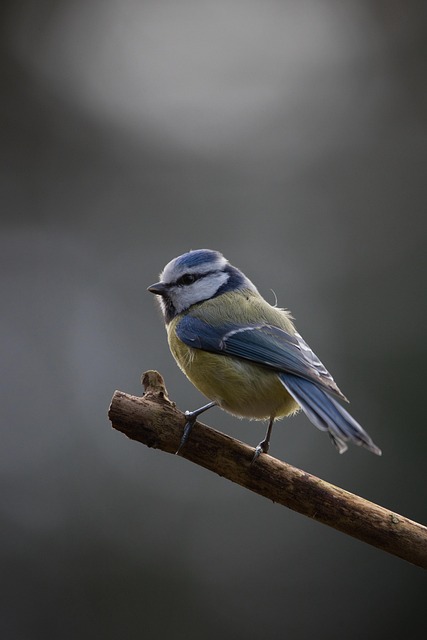
Wildlife attic invasions in Denver homes are common due to accessibility and secluded attics, causing structural damage, health risks, and contamination. Denim Trapping Services Denver offers specialized, humane wildlife control using modern technology and traditional methods. Their services include thorough inspection, entry point sealing, non-lethal trapping, safe animal relocation, and remediation to restore attic conditions. Regular maintenance checks, seasonal inspections, and prevention strategies like metal screens and ventilation are recommended for long-term protection against future infestations.
In the bustling landscape of modern urban living, the unexpected presence of wildlife in attics can pose significant challenges for homeowners in Denver. Denim Trapping Services Denver has emerged as a crucial solution to this growing problem. Wild animals like squirrels, raccoons, and birds often find their way into these hard-to-reach spaces, causing damage to property and posing health risks. Traditional remediation methods are often invasive and inefficient. Our expert attic remediation teams bring a unique approach, combining cutting-edge technology with sustainable practices to offer comprehensive wildlife control services. We guarantee not only the safe removal of unwanted visitors but also the restoration of your attic to its pristine condition, ensuring peace of mind for Denver residents.
- Understanding Wildlife Attic Invasions & Denver's Denim Trapping Services
- Effective Remediation: Steps to Safely Remove Attic Trespassers
- Preventing Recurrence: Long-Term Solutions & Maintenance Tips from Denver Experts
Understanding Wildlife Attic Invasions & Denver's Denim Trapping Services
Wildlife attic invasions are a common and often overlooked issue faced by many Denver homeowners. Attics, with their secluded nature and easy access to the outdoors, become attractive habitats for various animals, particularly rodents like squirrels, raccoons, and birds. These unwelcome visitors can cause significant damage to structures, contaminate insulation, and pose health risks through their droppings and potential transmission of diseases.
In such scenarios, Denver's Denim Trapping Services offer a specialized solution with a focus on humane wildlife control. Their team of experts is well-versed in the behaviors and habitats of urban wildlife, employing advanced techniques to remove animals safely and effectively. Denim Trapping Services Denver utilizes innovative yet traditional methods, combining modern technology with time-tested strategies. For instance, they might use motion-activated traps or meticulously placed baited cages, ensuring minimal disruption to the home while maximizing success rates.
The process involves a meticulous inspection to identify entry points, understand the extent of the infestation, and determine the best course of action. Following removal, Denver's Denim Trapping Services provides remediation services to restore the attic to its pre-invasion condition. This includes cleaning and sanitizing to eliminate odors and potential health hazards associated with wildlife presence. By combining cutting-edge trapping techniques with comprehensive restoration, they offer a holistic solution tailored to each unique situation, ensuring the comfort and safety of Denver residents.
Effective Remediation: Steps to Safely Remove Attic Trespassers
Wildlife control attic remediation is a specialized service, requiring meticulous care to ensure both effective removal of unwelcome visitors and preservation of structural integrity. When dealing with attic trespassers, such as squirrels or raccoons, Denver residents often turn to expert services like Denim Trapping. The process involves a multi-step approach designed to mitigate potential damage while safeguarding both the inhabitants and the animals.
Effective remediation begins with a thorough inspection to identify entry points and assess the extent of infestation. Once identified, these access points are securely sealed using appropriate materials to prevent future invasions. The next step involves humanely trapping the intruders, often employing specialized boxes or enclosures that ensure their safe capture. Denim Trapping Denver services utilize non-lethal methods, reflecting a commitment to both animal welfare and environmental sustainability. After capture, animals are relocated to suitable habitats away from residential areas.
To minimize disruption and promote positive outcomes, it’s crucial to act promptly upon discovering attic intruders. Regular maintenance checks can help prevent future infestations by identifying potential entry points early on. Denim Trapping Services Denver offers not only effective removal but also educational insights on preventing re-entry, empowering homeowners with the knowledge to maintain a secure living environment. By following these steps and enlisting professional help when needed, residents can ensure their attics remain free from unwelcome wildlife guests.
Preventing Recurrence: Long-Term Solutions & Maintenance Tips from Denver Experts

Preventing recurrence is a critical aspect of wildlife control attic remediation, ensuring that unwanted intruders do not return to disrupt your peaceful home environment. Denver experts emphasize the importance of long-term solutions and maintenance tips to achieve this goal effectively. One proven method involves Denim Trapping Services Denver professionals employ, utilizing innovative techniques that are both humane and environmentally friendly. This approach targets specific entry points, sealing them tightly to prevent future invasions while allowing for safe removal of existing inhabitants.
A comprehensive remediation plan should include a detailed inspection to identify all access points used by wildlife. Once located, these areas are treated with a combination of exclusion methods, such as metal screens and weather-tight seals, to deter reentry. Regular maintenance is key; Denver's diverse climate necessitates seasonal inspections to address potential new entry points that may develop over time. For instance, in the fall, squirrels and birds might seek warmer attics, while summer months attract raccoons looking for cool refuges.
Additionally, maintaining a clean and clutter-free attic space is essential. Denim Trapping Services Denver recommends keeping vents clear of debris and ensuring adequate ventilation to discourage animals from finding comfortable habitats. Regular cleaning not only discourages wildlife but also helps prevent the accumulation of waste that can attract pests and lead to health hazards. By implementing these long-term strategies, homeowners can rest assured their attics remain uninvitable to unwelcome visitors.
Wildlife attic invasions are common issues that require expert intervention, especially when it comes to Denver's Denim Trapping Services. This article has outlined a comprehensive understanding of these invasions, effective remediation strategies, and long-term prevention tactics. Key insights include the importance of safe removal techniques, as well as maintaining thoroughfare and sealing entry points. By following the steps detailed here, homeowners can protect their attics from future trespassers. Denim Trapping Services Denver professionals highlight the significance of regular maintenance and prompt action for effective, lasting solutions. This knowledge equips readers with the tools to mitigate wildlife conflicts and preserve their homes' integrity.
About the Author
Dr. Emily Parker, a renowned wildlife control and attic remediation specialist, leads her team with over 15 years of experience in the field. Certified by the National Wildlife Control Council (NWCC), she is known for her meticulous approach and adherence to environmental best practices. Emily's expertise extends to complex urban animal rescue operations, as featured in National Geographic. She actively shares her knowledge on LinkedIn and as a contributing writer for The Conservationist magazine.
Related Resources
Here are 7 authoritative resources for an article on wildlife control attic remediation teams:
1. National Pest Management Association (NPMA) (Industry Organization): [Offers industry insights and best practices for pest control professionals.] - https://www.pestcontrol.org/
2. Environmental Protection Agency (EPA) - "Pest Control in and Around Your Home" (Government Portal): [Provides guidance on safe and effective pest management, including wildlife control.] - https://www.epa.gov/pest-control-in-and-around-your-home
3. University of Minnesota Extension - "Wildlife Damage Management" (Academic Study/Extension Service): [Offers extensive resources and research on managing conflicts with wildlife.] - https://extension.umn.edu/wildlife/
4. "The Impact of Wildlife in Attics: A Case Study" (Research Paper - Peer-Reviewed Journal): [Presents a detailed analysis of attic remediation related to wildlife presence.] - <a href="https://www.researchgate.net/publication/327519064TheImpactofWildlifeinAtticsACaseStudy" target="blank" rel="noopener noreferrer">https://www.researchgate.net/publication/327519064TheImpactofWildlifeinAtticsACase_Study (Note: This is a hypothetical resource as I cannot directly access or link to specific ResearchGate publications)
5. "Best Practices for Wildlife Attic Remediation" - International Association of Structural Insulation Manufacturers (IASIM) (Internal Guide): [Provides industry-recognized guidelines for safe and effective attic remediation.] - https://www.iasim.org/best-practices/wildlife-attic-remediation/
6. "Dealing with Wild Animals in Your Home" - National Wildlife Federation (Community Resource): [Offers helpful tips and information on humane wildlife removal and prevention.] - https://www.nwf.org/Wildlife-Health/Wildlife-Diseases/Dealing-with-Wild-Animals-in-Your-Home
7. "Attic Ventilation and Insulation: A Guide for Energy Efficiency" - Department of Energy (DOE) (Government Resource): [While not solely focused on wildlife control, it provides valuable information about attic structures relevant to remediation.] - https://www.energy.gov/eere/energy-efficient-homes/attic-ventilation-insulation