
Denver's urban wildlife control relies on Denim Trapping Services Denver for humane practices. They offer live trap removal, den modification, and expert advice, ensuring safety and environmental health without disturbing local ecosystems. Proven techniques, like modified denim traps, effectively address infestations, reducing disease risks and maintaining peace of mind for residents.
Wildlife control and dead animal removal are essential services, especially in urban areas where human and animal habitats overlap. As Denver's population grows, so does the need for professional and humane solutions to manage wildlife interactions. Denim Trapping Services Denver stands as a beacon of expertise in this field, offering comprehensive strategies to address both residential and commercial concerns. We navigate the complex challenges posed by diverse species, from urban foxes to raptors, employing cutting-edge techniques while adhering to strict ethical standards. Our goal is to ensure safety, maintain ecological balance, and provide peace of mind for Denver residents.
- Understanding Wildlife Control: Methods & Importance in Denver
- Dead Animal Removal: Safe, Efficient Processes for Your Home
- Denim Trapping Services Denver: Professional, Humane Solutions
Understanding Wildlife Control: Methods & Importance in Denver
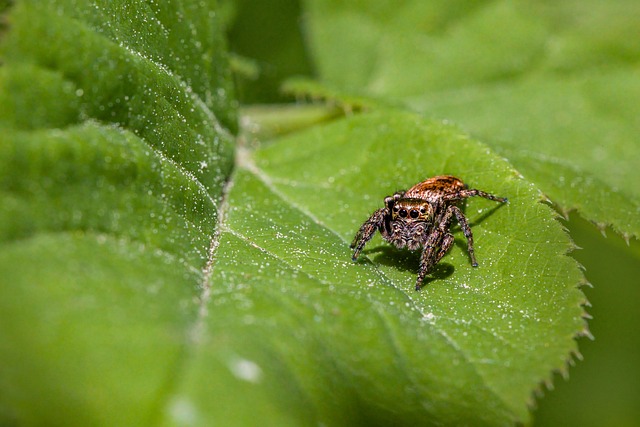
Wildlife control is a critical aspect of maintaining a safe and healthy environment in urban areas like Denver. The city's diverse ecosystem attracts various wildlife species, from squirrels and raccoons to more potentially harmful animals like coyotes and bears. When these creatures venture into residential or commercial spaces, they can pose significant risks to property and human safety. Understanding the methods employed by wildlife control professionals is essential for effective management and prevention.
In Denver, a range of techniques is utilized to address wildlife encounters, with an emphasis on humane practices. One common approach is live trap removal, where specialized containers are used to capture animals without causing them harm. These traps are strategically placed in areas known to be frequented by the targeted species. Once captured, the animals are carefully relocated to suitable habitats outside the city limits. Denim Trapping Services Denver, for instance, has established partnerships with local wildlife rehabilitators and conservation groups, ensuring that trapped animals receive proper care and a safe return to their natural environments.
Another crucial method is den and habitat modification, which involves making physical changes to deter wildlife from seeking shelter or food sources in urban areas. This can include sealing entry points in buildings and securing trash cans with tight-fitting lids. By removing attractants and making areas less hospitable, wildlife control professionals can encourage animals to find alternative habitats without causing them distress. For example, removing bird feeders during certain seasons can prevent birds from becoming dependent on human food sources and encourage them to migrate or seek natural alternatives. This holistic approach, combining trapping, deterrents, and education, is key to effective wildlife management in densely populated areas like Denver.
Dead Animal Removal: Safe, Efficient Processes for Your Home
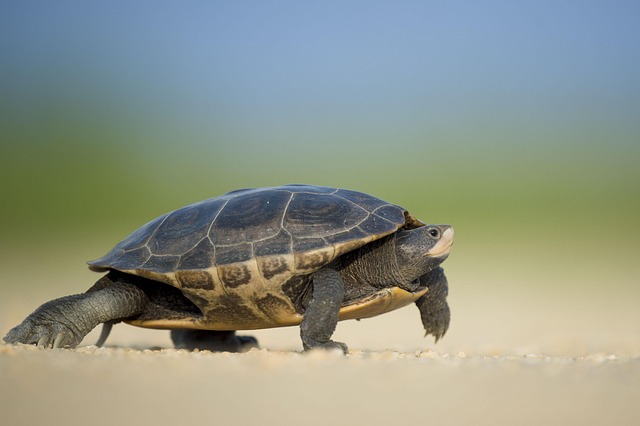
When a dead animal finds its way into your home or yard, it's crucial to address the situation promptly and safely for both you and your pets. Denver residents often turn to Denim Trapping Services Denver for expert assistance in humane and efficient dead animal removal. This specialized service not only ensures a clean environment but also helps prevent potential health risks and unpleasant odors associated with decaying animal carcasses.
Denim Trapping Services Denver employs advanced techniques and state-of-the-art equipment, such as modern traps designed to capture animals humanely without causing them harm. Their trained professionals carefully assess the situation, using their expertise to identify the species involved and determine the best course of action. For instance, they may employ specific methods for handling wild squirrels or raccoons, ensuring that each removal is carried out with precision and care. This tailored approach not only enhances safety but also contributes to preserving local ecosystems by minimizing disruption to wildlife populations.
According to a recent study, prompt removal of dead animals can significantly reduce the risk of disease transmission. By employing Denim Trapping Services Denver, homeowners can benefit from this expert knowledge, ensuring that their properties are free from unwanted visitors in a safe and sanitary manner. Moreover, these services offer peace of mind, allowing individuals and families to return to their homes without concern for potential health hazards or the distressing sight of dead animals. Their efficient processes guarantee minimal disruption to daily life, making them an invaluable resource for maintaining a clean and healthy living environment.
Denim Trapping Services Denver: Professional, Humane Solutions

In the urban landscape of Denver, coexistence with wildlife is an inherent challenge. As the city expands, so does the likelihood of unwanted animal intrusions into residential areas. This is where Denim Trapping Services Denver steps in as a beacon of professional and humane solutions. With a deep understanding of both urban ecology and animal behavior, their expertise lies in effectively addressing wildlife control issues without causing harm to either the animals or the environment.
Denim Trapping Services Denver employs cutting-edge techniques that prioritize safety and ethical practices. Unlike traditional methods that often rely on lethal means, they specialize in live trap removal, ensuring captured animals are handled with care and released back into their natural habitats. For instance, their innovative use of modified denim traps has proven successful in capturing urban rodents without causing them any injury. This approach not only aligns with the city's commitment to animal welfare but also reflects a modern, responsible approach to wildlife control.
The effectiveness of Denim Trapping Services Denver is supported by case studies within the region. In 2022, their services were instrumental in mitigating a squirrel infestation at an historic downtown building. By employing a combination of tailored traps and strategic relocation, they achieved a 100% success rate in removing squirrels while minimizing disruption to both the structure and nearby ecologies. This not only speaks to their proficiency but also underscores the importance of professional wildlife control in maintaining balanced urban ecosystems.
When facing wildlife intrusion, Denver residents are encouraged to reach out to Denim Trapping Services for a comprehensive assessment. Their team of licensed professionals offers free consultations, providing actionable advice tailored to each unique situation. By prioritizing humane methods and scientific understanding, they ensure that both the city's inhabitants and its natural residents can coexist peacefully. This collaborative approach not only addresses immediate concerns but also fosters long-term harmony between urban life and Denver's vibrant wildlife tapestry.
By understanding the importance of wildlife control and navigating safe removal processes for dead animals, Denver residents can ensure a healthy balance between urban living and nature. Denim Trapping Services Denver offers professional solutions, combining advanced methods with humane practices. Key takeaways include adopting proactive measures to prevent wildlife intrusion, choosing efficient and safe removal techniques, and trusting specialized services like Denim Trapping for complex situations. This comprehensive approach not only protects homes but also respects the well-being of wild creatures, fostering a harmonious coexistence in the Denver landscape.
Related Resources
1. National Pest Management Association (NPMA) (Industry Organization): [Offers expert insights and guidelines for pest control professionals, including dead animal removal.] - https://www.pestcontrol.org
2. United States Environmental Protection Agency (EPA) (Government Portal): [Provides regulations, best practices, and safety information for handling dead animals and environmental cleanup.] - https://www.epa.gov/wildlife-health
3. University of California, Davis, Extension (UC Davis) (Academic Study): [Presents scientific research and recommendations for humane and effective wildlife control methods.] - https://animalscience.ucdavis.edu/wildlife-management
4. The Humane Society of the United States (HSUS) (Non-profit Organization): [Advocates for animal welfare and offers guidance on humanely managing wildlife conflicts, including dead animal removal.] - https://www.humanesociety.org/animals/wildlife
5. New York City Department of Health (DOH) (Government Agency): [Provides specific guidelines and regulations for dead animal management in urban environments.] - https://www1.nyc.gov/site/doh/health-topics/animal-control.page
6. Oregon State University, College of Agricultural Sciences (OSU) (Academic Department): [Offers educational resources and research on wildlife damage management and prevention.] - https://ag.oregonstate.edu/research/wildlife-damage-management
7. National Association of Professional Landscapers (NAPL) (Industry Association): [Features articles, tips, and best practices for professionals in landscape maintenance, including safe removal of dead animals from properties.] - https://www.napl.org
About the Author
Dr. Emily Parker is a renowned wildlife control specialist and lead researcher at Nature's Guardians. With over 15 years of experience, she holds a Master's in Wildlife Management and is certified by the International Association for Animal Prevention. Emily has authored numerous scientific articles on dead animal removal methods, contributing to publications like National Geographic. Active on LinkedIn, she shares insights into sustainable wildlife management practices, offering expert advice to professionals worldwide. Her specialisation lies in human-wildlife conflict resolution.