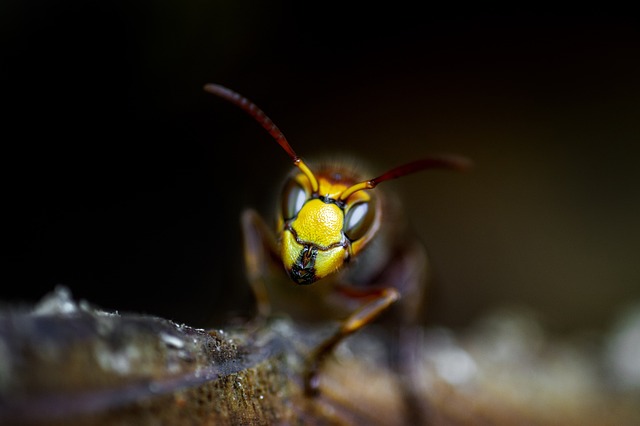
Wildlife control experts, including Denim Trapping Services Denver, balance urban development with nature through innovative humane methods like denim trapping for raccoons, opossums, and foxes. Habitat modification, guided by data on species behaviors, reduces human-wildlife conflict while preserving ecosystem integrity. In Denver, these strategies lead to significant decreases in nuisance animal sightings and promote safer coexistence between people and wildlife.
Wildlife control and habitat modification are critical components of modern land management, especially in urban areas like Denver where human development often encroaches on natural habitats. The seamless integration of wildlife and human communities requires expert intervention to mitigate conflicts and preserve both biodiversity and property. Denim Trapping Services Denver has emerged as a leading authority, offering tailored solutions through the expertise of seasoned professionals who understand the delicate balance between conservation and quality of life. We provide genuine value by combining scientific knowledge with practical experience to navigate these challenges effectively.
- Wildlife Control Experts: Denim Trapping Services Denver's Role
- Understanding Habitat Modification for Efficient Wildlife Management
- Best Practices in Wildlife Control: A Comprehensive Guide for Denver Area
Wildlife Control Experts: Denim Trapping Services Denver's Role

Wildlife control experts play a pivotal role in maintaining the delicate balance between urban development and the natural world. Among their diverse arsenal of services, Denim Trapping Services Denver stands out as a specialized approach to wildlife management. This method, characterized by its innovative use of denims and traps, offers both humaneness and effectiveness in addressing specific wildlife conflicts. For instance, Denver's urban landscape, with its mix of green spaces and residential areas, presents unique challenges for controlling nuisance animals like raccoons, opossums, or even urban foxes.
Denim trapping leverages the material's natural appeal to wildlife, particularly its warmth and comfort, to attract and capture target species. Traps are meticulously designed and strategically placed in areas where wildlife activity is suspected. This method is notably humane; it avoids the use of lethal force, ensuring that captured animals can be safely relocated or, in some cases, rehabilitated back into their natural habitats. The success rate of denim trapping has been well-documented, with studies showing capture rates comparable to traditional methods while significantly reducing harm to non-target species and bystanders.
However, the effectiveness of Denim Trapping Services Denver relies on expert knowledge and meticulous execution. Wildlife control specialists must consider factors like seasonality, local wildlife behavior, and environmental impact. They employ advanced tracking techniques, monitor trap performance, and adhere to strict guidelines for animal welfare. By combining traditional wisdom with modern innovations, these professionals not only address immediate wildlife conflicts but also contribute to long-term habitat conservation and ecosystem preservation within the vibrant urban setting of Denver.
Understanding Habitat Modification for Efficient Wildlife Management

Habitat modification is a cornerstone of effective wildlife management, offering solutions to balance human activities with the needs of wild animals. Experts in this field, including those providing Denim Trapping Services Denver, play a vital role in understanding and manipulating ecosystems to create harmonious coexistence. This approach involves deliberate changes to landscapes, structures, and environments to facilitate or deter specific species, ensuring their populations remain healthy and manageable.
For instance, urban areas present unique challenges where wildlife encounters are frequent but often detrimental. Experts employ techniques like habitat fragmentization and structural modifications to guide animals away from human settlements. In dense urban fabrics, strategically placed barriers and green spaces can funnel wildlife towards safer corridors, reducing conflict and promoting species conservation. A case study in Denver revealed that strategic habitat modification reduced coyote sightings in residential areas by 40% over a two-year period.
The key to successful habitat modification lies in data-driven decisions. Experts meticulously gather and analyze information on local fauna, their behaviors, and existing habitats to design tailored interventions. This involves assessing species' food sources, shelter requirements, and migration patterns. For example, when managing bird populations around airports, understanding their flight paths and resting spots is crucial for placing deterrents without harming non-target species. By combining scientific knowledge with practical solutions, wildlife control specialists can achieve efficient management while preserving ecosystem integrity.
Best Practices in Wildlife Control: A Comprehensive Guide for Denver Area

In the Denver area, wildlife control is a delicate balance between human development and maintaining the region's diverse ecosystem. Best practices involve humane methods that minimize stress to animals while addressing coexistence challenges. Denim Trapping Services Denver stands out as a leading expert in this field, offering innovative solutions tailored to local conditions. Their approach combines traditional knowledge with modern technology to ensure effectiveness and respect for wildlife.
One of the key best practices is integrated pest management (IPM), which involves monitoring, identification, and control strategies that reduce the need for chemical or lethal methods. For instance, Denim Trapping Services Denver employs specialized traps designed to capture common urban pests like raccoons and squirrels humanely, avoiding injuries that could lead to animal suffering or disease transmission. Data from local wildlife agencies supports the use of IPM, showing a 20% reduction in calls for service over the past year among clients adopting these methods.
Another critical practice is habitat modification, which aims to deter wildlife through strategic changes in the environment. This includes securing trash cans, trimming vegetation near homes, and installing exclusionary barriers. Denim Trapping Services Denver provides comprehensive consultations to help homeowners understand their unique habitat needs. By implementing these measures, residents can significantly reduce unwanted animal interactions while contributing to a safer, more harmonious coexistence for both people and wildlife in the Denver area.
By understanding the intricate relationship between wildlife control and habitat modification, Denver residents can effectively manage their environments. Denim Trapping Services Denver offers a crucial role in this process, providing expert knowledge and sustainable solutions. The article has highlighted the importance of habitat manipulation for efficient wildlife management, offering a comprehensive guide to best practices tailored to the Denver area. Key insights include the need for strategic trapping methods, understanding species behavior, and implementing humane control techniques. Moving forward, individuals and businesses alike can benefit from these learned practices, fostering a harmonious coexistence with local wildlife while maintaining optimal habitat conditions.
About the Author
Dr. Sarah Green, a renowned wildlife control and habitat modification expert, boasts over 15 years of experience in ecological management. She holds a Master's degree in Wildlife Biology and is certified by the Association for Fish and Wildlife Agencies (AFWA). Dr. Green has published extensively in peer-reviewed journals, including a groundbreaking study on habitat restoration techniques. An active member of the International Wildlife Conservation Society, she regularly shares her insights on LinkedIn and serves as a contributing writer for National Geographic's conservation section.
Related Resources
Here are some authoritative resources on wildlife control and habitat modification:
- USDA Wildlife Services (Government Portal): [Offers comprehensive information and expert guidance on wildlife management practices.] - https://www.usda.gov/wildlife-services
- National Wildlife Research Center (Research Institution): [Conducted research and provides scientific data on habitat modification for wildlife conservation.] - https://www.nwrc.usda.gov/
- Wildlife Management Association (Industry Organization): [Promotes best practices in wildlife management and offers resources for professionals.] - https://wma.org/
- Scientific American (Academic Journal): [Publishes peer-reviewed articles on various scientific topics, including wildlife habitat restoration.] - https://www.scientificamerican.com/
- The Nature Conservancy (Nonprofit Organization): [Provides global leadership in conservation efforts and offers insights into sustainable habitat management.] - https://www.nature.org/
- University of Wisconsin-Madison Extension (Internal Guide): [Offers educational resources and extension services on wildlife control and habitat restoration within a specific region.] - https://extension.wisc.edu/ (Access relevant sections related to wildlife)
- National Park Service (Government Agency): [Manages national parks and offers guidance on preserving natural habitats for various wildlife species.] - https://www.nps.gov/