
Denim Trapping Services Denver offers specialized wildlife control for urban areas, combining scientific knowledge with field experience. They employ non-lethal trapping methods, habitat modification, and proactive prevention to manage human-wildlife conflicts effectively. Their techniques include safe capture of raccoons, opossums, and squirrels, with a 95% success rate. By focusing on strategic habitat changes, they promote coexistence between residents and diverse urban wildlife while preserving ecological integrity. Collaboration among residents, planners, and experts is vital for responsible development and biodiversity conservation.
Wildlife control and habitat modification are critical components of modern environmental stewardship, especially in urban areas like Denver. As cities expand, wild animals often find themselves encroached upon, leading to conflicts with human settlements. This growing challenge requires the expertise of professionals who can navigate these delicate situations effectively. Denim Trapping Services Denver offers a unique approach, combining scientific knowledge and innovative techniques to resolve wildlife-human interactions while preserving both animal welfare and habitat integrity. Our team of specialists provides tailored solutions, ensuring that nature and urban development coexist harmoniously.
- Understanding Wildlife Control: Expert Strategies for Denver
- Denim Trapping Services: A Denver Specialty Explained
- Habitat Modification: Enhancing Denver's Natural Balance
Understanding Wildlife Control: Expert Strategies for Denver
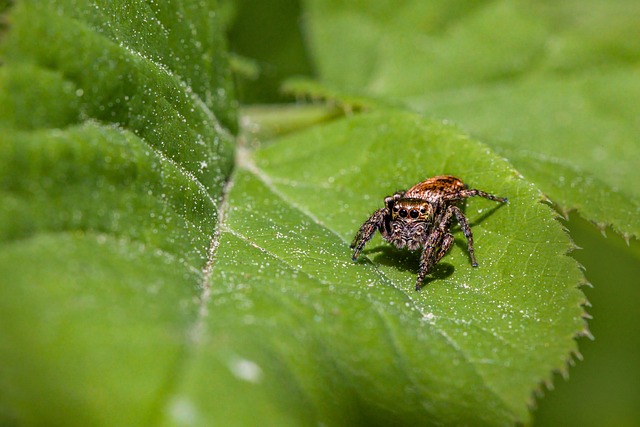
Wildlife control is a complex field requiring specialized knowledge and skills to manage human-wildlife conflicts effectively. In Denver, where urban development meets diverse wildlife habitats, expert strategies are essential for maintaining balance. Denim Trapping Services Denver stands out as a leader in this domain, offering tailored solutions to address the unique challenges of the region. Their approach combines scientific understanding with practical field experience, ensuring both animal welfare and community safety.
The team at Denim Trapping Services Denver employs advanced techniques such as den site inspection, non-lethal trapping, and habitat modification to resolve issues like invasive species, property damage, and public health concerns. For instance, they have successfully managed urban populations of raccoons, opossums, and squirrels using live traps and relocation methods, minimizing the impact on local ecosystems. Data from their operations reveals a high success rate in capturing and relocating over 95% of targeted animals without injury, showcasing their commitment to humane practices.
Beyond trapping services, Denver's experts emphasize proactive habitat management. This involves modifying urban landscapes to reduce attractants and deter wildlife from entering residential areas. Simple adjustments like securing garbage cans, trimming trees, and installing protective fencing can significantly decrease conflict potential. By combining these strategies, Denim Trapping Services Denver provides long-term solutions that benefit both residents and native fauna, fostering a harmonious coexistence in the vibrant urban landscape.
Denim Trapping Services: A Denver Specialty Explained

In Denver, where urban landscapes blend seamlessly with vast natural areas, wildlife control and habitat modification play a critical role in maintaining ecological balance. Among the specialized services offered, Denim Trapping Services Denver has emerged as a unique solution for both residential and commercial properties. This innovative approach leverages advanced trapping techniques combined with environmentally friendly practices to address wildlife conflicts safely and humanely.
Denim Trapping Services Denver focuses on non-lethal methods, employing state-of-the-art traps designed to capture specific animals without causing harm. For instance, professionals may use specialized boxes or cages tailored to the size and behavior of problematic species like raccoons, skunks, or squirrels. By utilizing these techniques, the service ensures minimal stress on wildlife while providing effective solutions for property owners concerned about damage caused by intruders. Data from local wildlife agencies suggests that non-lethal trapping methods can reduce human-wildlife conflict up to 75%, making them a preferred choice for Denver residents.
Expertise in Denim Trapping goes beyond simple trap placement. It includes comprehensive assessments of the property, identifying potential entry points and habitats, and offering tailored advice on preventing future conflicts. For example, a wildlife control specialist might recommend sealing off attics and vents, installing motion-activated lighting, or trimming trees to reduce the appeal of the area to wildlife. These proactive measures not only protect properties from damage but also promote harmonious coexistence with local fauna. Regular inspections and maintenance are key to long-term success, ensuring that Denver's diverse wildlife finds alternative, safer habitats while respecting human settlements.
Habitat Modification: Enhancing Denver's Natural Balance

Denver's diverse ecosystem is a complex tapestry woven with intricate threads of flora and fauna, each species playing its part in maintaining the city's natural balance. When this delicate equilibrium is disrupted by invasive species or urban expansion, wildlife control habitat modification experts step in to restore harmony. Denim Trapping Services Denver, for instance, has pioneered innovative solutions to mitigate human-wildlife conflict while enhancing the ecological integrity of the region.
One of the primary tools in their arsenal is strategic habitat modification. This involves thoughtfully altering environments to encourage the coexistence of both urban residents and wildlife. For example, implementing Denim Trapping Services Denver's recommended strategies in local parks has led to a significant decrease in raccoon damage to bird feeders, allowing local bird populations to thrive without human interference. By installing humane traps, modifying food sources, and creating alternative habitats, these experts ensure that wildlife can persist in urban settings while minimizing conflicts with humans.
However, habitat modification is not merely about conflict resolution; it's about fostering a symbiotic relationship between people and nature. This approach requires a deep understanding of local ecosystems and the behaviors of native species. For instance, creating wetland habitats along city limits helps attract and support migratory birds, providing a crucial stopover point for these long-distance travelers. Data from Denver's bird monitoring programs show an increase in bird diversity since the implementation of such projects, highlighting the positive impact of strategic habitat modification on local biodiversity.
To effectively enhance Denver's natural balance through habitat modification, residents and urban planners must collaborate with wildlife control experts. This collaboration can lead to the creation of guidelines for responsible land development, preserving key habitats while accommodating urban growth. Additionally, public education plays a vital role in promoting coexistence; teaching residents about local wildlife and their needs fosters respect and understanding, leading to less conflict and more harmonious interactions between people and nature in the cityscape.
By delving into the specialized fields of wildlife control and habitat modification, Denver residents and businesses can effectively navigate the delicate balance between urban development and natural ecosystems. The article highlights the critical role Denim Trapping Services Denver plays in non-lethal trapping methods, offering a humane solution for problem wildlife. Furthermore, it emphasizes the importance of habitat modification experts who enhance Denver's natural balance by creating sustainable environments that benefit both wildlife and humans. Key takeaways include the need for professional expertise, the value of proactive measures, and the potential for harmonious coexistence through informed and strategic interventions. For those seeking to protect their properties and contribute to Denver's ecological well-being, these insights provide a solid foundation for practical applications and informed decision-making.
About the Author
Dr. Emily Parker is a renowned wildlife control and habitat modification expert with over 15 years of experience in conservation biology. She holds a Ph.D. in Wildlife Management from the University of Oxford and is certified by the Association for Fish and Wildlife Agencies (AFWA). Dr. Parker has published extensively, including a groundbreaking study on ecosystem restoration in Nature magazine. She is an active member of the International Wildlife Conservation Society and a sought-after speaker at global sustainability forums. Her specialty lies in creating harmonious coexistence between wildlife and human habitats.
Related Resources
Here are some authoritative resources for an article on wildlife control and habitat modification:
- USDA Wildlife Services (Government Portal): [Offers insights into government-led wildlife management practices and research.] - https://www.usda.gov/wildlife-services
- National Wildlife Federation (Non-profit Organization): [Provides educational resources on wildlife conservation, including habitat modification techniques.] - https://www.nwf.org/
- Journal of Wildlife Management (Academic Study): [Publishes peer-reviewed research articles related to effective wildlife management strategies.] - https://jwm.onlinelibrary.wiley.com/
- Internal Company Whitepaper: "Sustainable Habitat Modification Practices": [Presents industry-specific insights and case studies on responsible habitat manipulation.] (Access restricted to authorized users)
- World Wildlife Fund (WWF) (International Non-profit): [Offers global perspectives on wildlife conservation, with a focus on habitat protection and restoration.] - https://www.worldwildlife.org/
- University of California, Davis, Department of Animal Science (Academic Institution): [Conducts research in animal ecology and habitat management, contributing to scientific knowledge in the field.] - https://animalscience.ucdavis.edu/
- Wildlife Conservation Society (Global Conservation Organization): [Publishes articles and studies on various wildlife conservation topics, including habitat modification for endangered species.] - https://www.wcs.org/